November 1, 2026
How a Nostalgia Music Remix Captures the Soul of Modern Dance Floors
By @nostalgiamusicremixtalk
There is a moment in every DJ set when the room shifts. It is not the drop that does it, nor the flash of lights. It is a melody that people have not heard in years, suddenly wrapped in a groove they have never felt before. That is the power of a well-made nostalgia music remix. It takes something familiar, something that once lived in a car stereo or a late-night radio show, and gives it new legs. In a time when dance music moves fast and tastes shift with every festival season, the ability to pull from the past without sounding dated is a rare skill.
I have watched this happen in clubs from Amsterdam to Tokyo. The track that gets the biggest reaction is rarely the newest one. It is the song everyone forgot they loved, rebuilt with a bass line that hits harder and a tempo that fits the current hour. This is not about lazy sampling or throwing a vocal over a stock beat. It is about understanding what made the original work and then finding the gap where a modern arrangement can live. The best producers in this space treat the source material with respect, even reverence, while breaking it apart to serve a new purpose.
When a Romanian Pop Hit Finds a Second Life
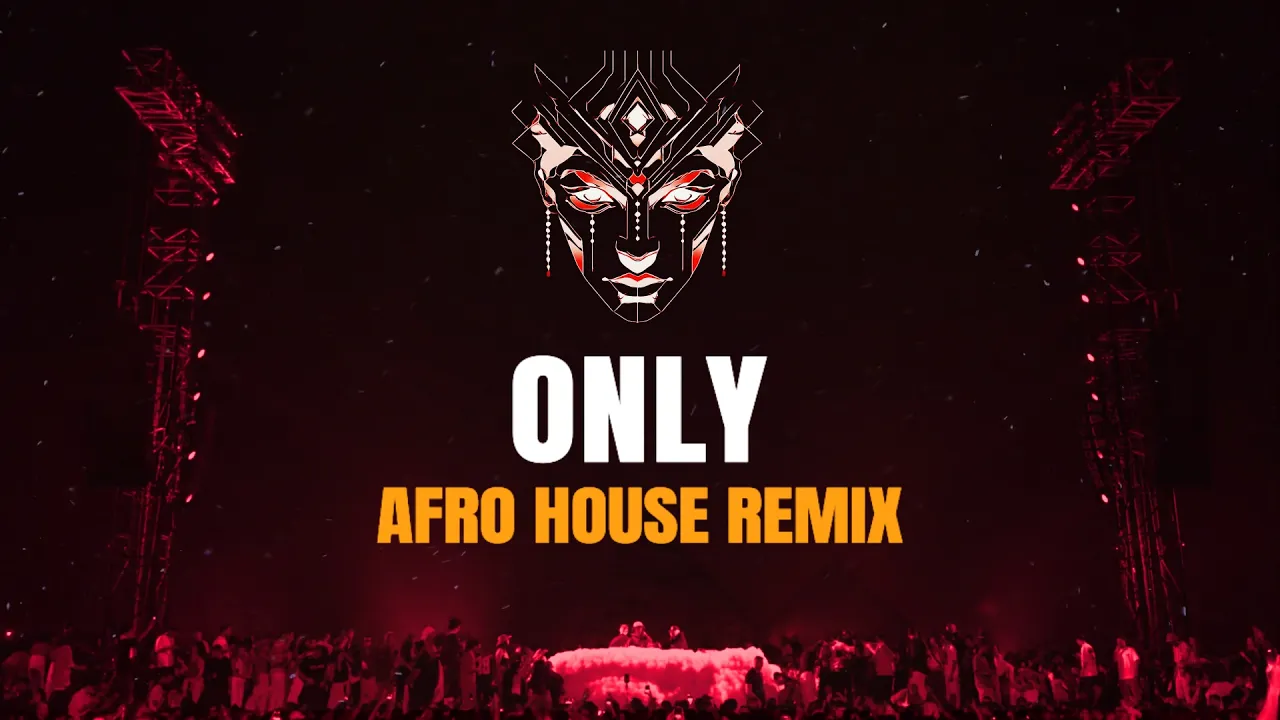
Take a song like "Only" by Play & Win. If you followed European dance radio in the late 2000s, you remember this one. It was everywhere, from Romanian clubs to Croatian summer parties, from the decks of Ibiza to the playlists of Eastern European road trips. Play & Win were the production trio behind some of the biggest pop-dance crossovers to come out of Romania. Their sound was big, clean, and built for arenas. "Only" had that chorus that stuck, the kind you hear once and hum for a week. But it was very much a product of its time, with production that sounds thin by today's standards, especially in the low end.
Enter Afro Sense. This is where the remix culture loop closes. Afro Sense takes that same vocal line, the emotional core of the original, and drops it into an Afro House and Deep House framework. The tempo comes down. The percussion gets layered, not with the four-on-the-floor kick of the original but with the rolling, syncopated patterns that define modern Afro House. The bass becomes rounder, warmer. The space between the notes grows. Suddenly, the same melody that once filled a Romanian stadium is filling a sunset terrace in Croatia or a late-night set at a SoundCloud listening party. It is a textbook example of how a nostalgia music remix can do more than just remind people of the past. It can make them feel something new.
The Mechanics of Rebuilding a Memory
Producers working in this style face a specific challenge. The original track carries emotional weight. People have memories attached to it. If you change too much, you lose the connection. If you change too little, you are just playing a slowed-down version of the original, and nobody needs that. The sweet spot lives somewhere in the arrangement. You keep the vocal, maybe a signature synth line, and you rebuild everything else from the ground up. In a DAW like Ableton Live or Logic Pro, this means warping the vocal to a new grid, writing new chord voicings that fit the Afro House harmonic language, and programming percussion that breathes rather than marches.
I have seen producers spend hours on a single shaker pattern, not because it is technically difficult, but because the feel has to be right. A nostalgia music remix lives or dies on its groove. If the groove does not make people move, the nostalgia becomes a gimmick. The best work in this genre, the tracks that end up on Beatport charts and in the sets of DJs who play at festivals in Croatia and Ibiza, comes from producers who treat the original as raw material, not a sacred text. They re-pitch the vocal. They chop it. They let it breathe over a new bassline that walks the line between Deep House warmth and Afro House rhythm.
Why This Works in the Club
There is a practical reason this approach succeeds. The modern dance floor is diverse. In a single night at a club in Berlin or a beach bar in Croatia, you will hear techno, melodic house, Afro House, and maybe a pop edit thrown in at the right moment. The crowd is not loyal to one genre. They are loyal to a feeling. When a DJ drops a remix of "Only" that builds on the memory of the original but pushes into Afro House territory, it does not sound like a throwback. It sounds like a discovery. The crowd hears something familiar, but they have to lean in to place it. That moment of recognition, split-second and genuine, is what keeps people on the floor.
Platforms like YouTube and SoundCloud have made this kind of remix more visible than ever. A single video on YouTube can introduce a track like "Only" to an audience that was not even born when the original came out. The algorithm does not care about the original release date. It cares about engagement. And a remix that hits the sweet spot of familiarity and novelty tends to get shared, commented on, and playlisted. This is not an accident. The producers who understand remix culture know that the emotional hook is the most reliable tool they have.

The Business Side of Nostalgia
Nostalgia marketing has become a dominant strategy across music, fashion, and media. Brands and platforms know that people pay for feelings. In the music world, this has created a healthy market for sample packs that include stems from classic tracks, legal clearance services, and licensing deals that allow producers to release remixes commercially. Artlist and similar platforms have started offering curated samples that are cleared for use, which lowers the barrier for smaller producers who want to work with recognizable material without legal risk.
But there is a trade-off. The same tools that make remixing accessible also make it easy to produce work that feels hollow. A producer who relies entirely on pre-packaged sample packs and never touches the arrangement will end up with a track that sounds like everything else. The difference between a good remix and a great one is the time spent in the DAW, adjusting velocities, moving hi-hats off the grid, and listening to the original until you understand why it worked in the first place. That is not something a sample pack can give you. It comes from experience, from having spent years in clubs, listening to what moves people, and from the willingness to throw away a mix that is not hitting and start over.
Tools of the Trade
For anyone looking to make their own remixes in this style, the workflow usually starts with getting the vocal stem. If you cannot find a clean stem, tools in Ableton Live or Logic Pro can extract it, though the quality varies. Once you have the vocal, the key is to find a tempo and key that work for Afro House, usually between 118 and 124 BPM. The bassline should be melodic but not busy, leaving room for percussion. Layering congas, shakers, and a kick that has some thump but not too much attack will give you the foundation. From there, you arrange the track in blocks, building tension and release over eight to sixteen bars at a time.
I have seen producers use Traktor to test their remixes in a live setting before they finish them. Loading a rough mix into Traktor and playing it between other tracks tells you immediately whether the energy works. If the crowd's reaction drops off after the intro, you know the arrangement needs work. If they stay locked in, you are on the right track. This feedback loop is invaluable. No amount of studio monitoring can replace the feeling of playing a track for a room full of people who are not there to judge your production, they are there to dance.

What This Means for the Future of Dance Music
The line between genres continues to blur. A track that starts as a Romanian pop song can become an Afro House staple ten years later. That is not a flaw in the system. It is the system working exactly as it should. Remix culture has always been about conversation, not replication. The best producers listen to the past, not to copy it, but to ask what it would sound like if it were made today. When they get the answer right, the result feels inevitable. You hear it and wonder why nobody did it sooner.
That feeling, the one that sits somewhere between recognition and surprise, is the entire point. It is what keeps dance music alive as a genre that reinvents itself without losing its roots. And it is why a single nostalgia music remix, built with care and played at the right moment, can still stop a room full of people who think they have heard everything.
❧